

TL;DR
Free VPNs today make money transparently through clean in-app ads and optional premium upgrades—not by selling user data. Stricter app-store rules and global privacy laws now push providers toward safer, accountable business models. A trustworthy free VPN clearly explains how it earns revenue, maintains a No-Logs policy, and aligns its incentives with protecting user privacy.
Table of Contents
Introduction
“If you’re not paying for the product, you are the product.”
For years, this saying accurately described the reputation of free VPNs. In the early days of mobile VPN apps, the market was crowded with sketchy services stuffing in trackers, abusing permissions, and even bundling malware.
But in 2026, things look very different.
- Privacy laws are stricter.
- Apple and Google have tougher rules for VPNs and ad SDKs.
- Users are far more aware of privacy risks.
In this environment, any VPN provider that wants a long-term business simply cannot afford to violate user trust.
That leads to the key question:
- How do free VPNs make money today—without selling you out?
- And can a free VPN actually be a legitimate business?
The short answer is: yes.
Modern, good-faith free VPNs rely on two straightforward, sustainable methods:
- Ad-supported free versions (showing ads but not selling data)
- Freemium upgrades (a subset of users eventually choose paid plans)
In this guide, we’ll break down:
- how these models work
- why ads are not automatically dangerous
- what separates legitimate free VPNs from unsafe ones
- a real-world bad example
- how X-VPN fits into the “good-faith” model
The Reality: VPN Services Were Never “Zero Cost” to Begin With
To understand how free VPNs make money, we need to start with a simple truth: Running a serious VPN network is expensive.
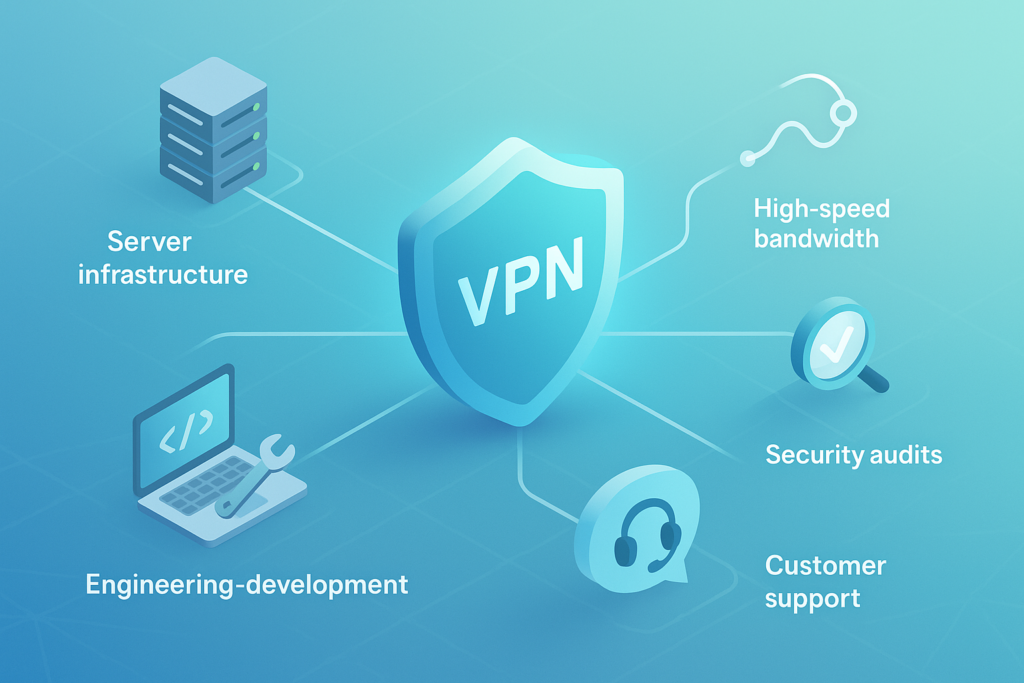
(Image: Hidden costs behind running a VPN service. AI-generated.)
Behind any reputable VPN, you’ll find costs like:
- thousands of global servers
- high-speed bandwidth
- engineers maintaining apps across iOS, Android, Windows, macOS
- continuous protocol upgrades (OpenVPN, WireGuard, Everest)
- security audits
- customer support
None of that is free.

X-VPN operates a large global VPN network built for privacy and reliability.
• 10,000+ servers across 250+ locations
• Strong No-Logs Policy, verified by one of the Big Four accounting firm in 2026.
• Free version available with no account required
• Transparency Report: https://xvpn.io/transparency-report
So the real red flag is not “this VPN makes money.”
The red flag is:
“This VPN claims to be completely free forever but refuses to explain how it makes money.”
By contrast, modern, reputable free VPN companies are very clear:
“We make money through ads and upgrades. That’s how we keep the lights on and the servers running.”
Let’s look at both—starting with the most misunderstood one: ads.
How Free VPNs Make Money (1): Ads Can Be Clean—If They’re Done Right
When people hear “ads in a VPN,” their first reaction is often:
“So… you’re selling my privacy to advertisers, right?”
Not necessarily, there are two very different monetization philosophies.
Two Very Different Ad Models
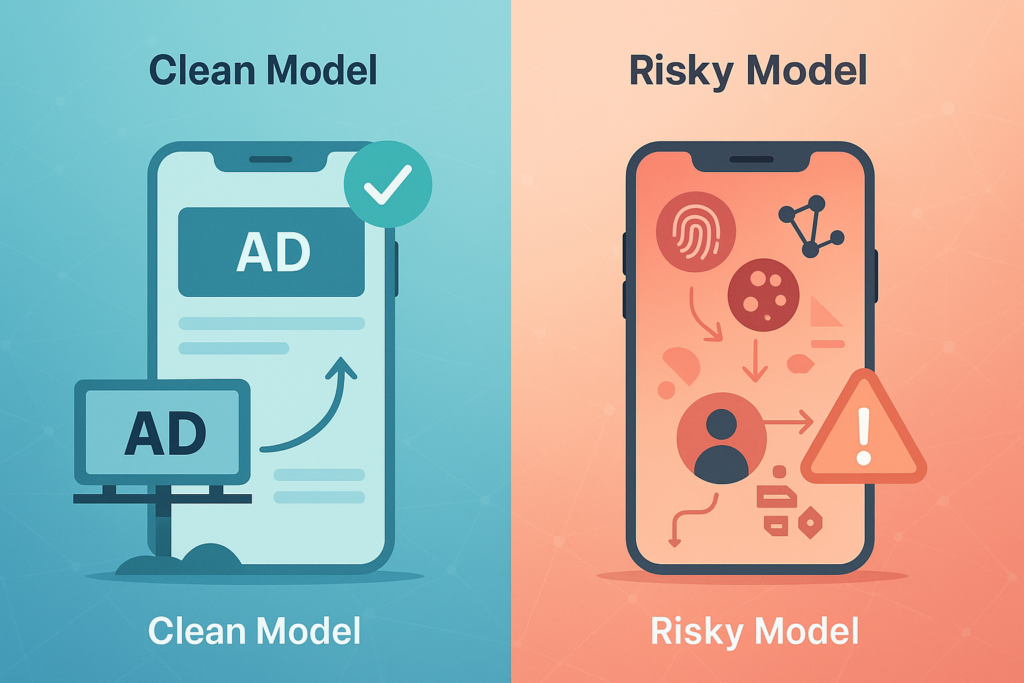
In the Free VPN operation, there are basically two ad approaches:
✅ Model A: Selling Ad Space, Not Selling Users (the “Billboard” Model)
This is how good-faith free VPNs operate.
Think of it like:
- a billboard on the highway
- a TV commercial during a show
Advertisers pay the VPN for ad space—the chance to show their banner or message inside the app.
They get:
- impressions (how many times an ad was displayed)
- basic context (for example, “shown to someone using a VPN app”)
They do not get the following information from VPN provider:
- your browsing history
- your real IP address
- your exact location
- your VPN traffic contents
- a cross-app tracking profile
In other words, the VPN is selling space, not identity.
This is the philosophy behind X-VPN’s free tier: we monetize ad slots, not user data.
❌ Model B: Tracking + Ads + Data Brokering
This is where problems start.
Some shady free VPNs:
- Integrate multiple third-party tracking SDKs
- Collect extensive device and behavioral data
- Fingerprint users to follow them across apps and sites
- Share or sell that data to ad networks or data brokers
Here, ads are just the visible part. The real money is made in the background, through data exploitation.
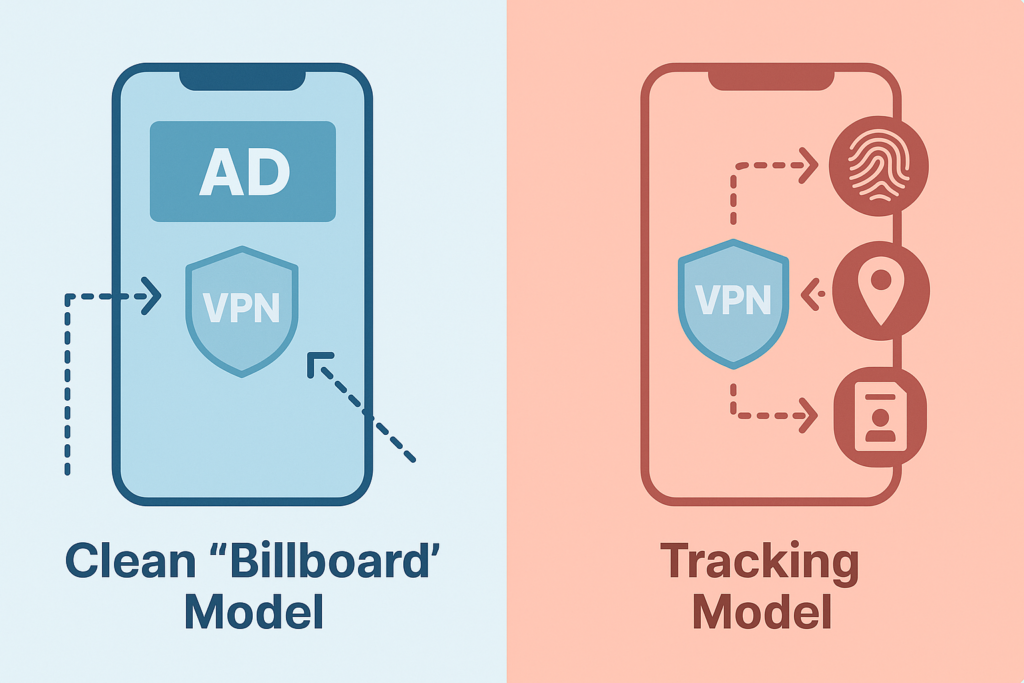
These two models—the clean “billboard” model and the invasive “tracking” model—are worlds apart.
Why the Choice of Ad Partner Matters
This is why it really matters who a free VPN chooses to work with.
Legitimate ad networks (like Google’s AdMob) are:
- bound by app-store rules (Apple’s App Store, Google Play)
- subject to privacy regulations (GDPR, CCPA, etc.)
- transparent about what they collect and why
They typically collect only the limited information necessary for:
- serving ads
- preventing fraud
- basic analytics
On top of that, both Apple and Google enforce strong privacy controls:
Abuse can lead to removal.
In short:
If a VPN works with mainstream ad partners and follows app-store rules, its ad model can be clean and transparent.
On the other hand, unknown or self-built ad SDKs may:
- Over-collect data and request unnecessary permissions
- Inject malicious scripts (malvertising)
- Be publicly flagged by regulators and app stores
So when you evaluate a free VPN that shows ads, the real question isn’t:
“Does it have ads?”
It’s:
“Does it work with reputable ad partners and respect platform privacy rules—
or does it cut corners for extra data?”
The Ecosystem Is Pushing Developers Toward Good Behavior
It’s also worth noting that the ecosystem itself is changing.
- App stores are getting stricter, not looser.
- Privacy labels and data safety sections are now standard.
- Regulators regularly call out apps and SDKs that over-collect or misuse data.
- Google Play even introduced a VPN verification badge, requiring apps to pass security assessments and commit to transparent data practices.
For any VPN provider that wants to stay in business long term, doing the right thing is no longer just ethical—it’s practical.
Abusing data might give a short-term revenue spike, but:
- You risk getting banned or delisted.
- You destroy your reputation in a trust-based industry.
- You drive away the very users you need to sustain subscriptions.
From a pure business perspective, it’s simply smarter to make money the clean way.
How Free VPNs Make Money (2): Freemium—When a Few Users Pay for the Many
The second major way free VPNs make money is Freemium.
“Some users get what they need from the free version.
A smaller group chooses to pay for more.”
How Freemium Works
In a Freemium model:
- Everyone can use a free version of the app.
- A portion of users eventually upgrade to a paid plan to unlock:
- faster speeds
- more server locations
- streaming/gaming/P2P-optimized servers
- advanced security tools (Double VPN, split tunneling, etc.)
- an ad-free experience
This creates a healthy structure:
- Free users get real privacy protection without paying money.
- Paid users fund the infrastructure and ongoing development.
- The company has every incentive to earn trust and satisfaction, not to squeeze users for short-term profit.
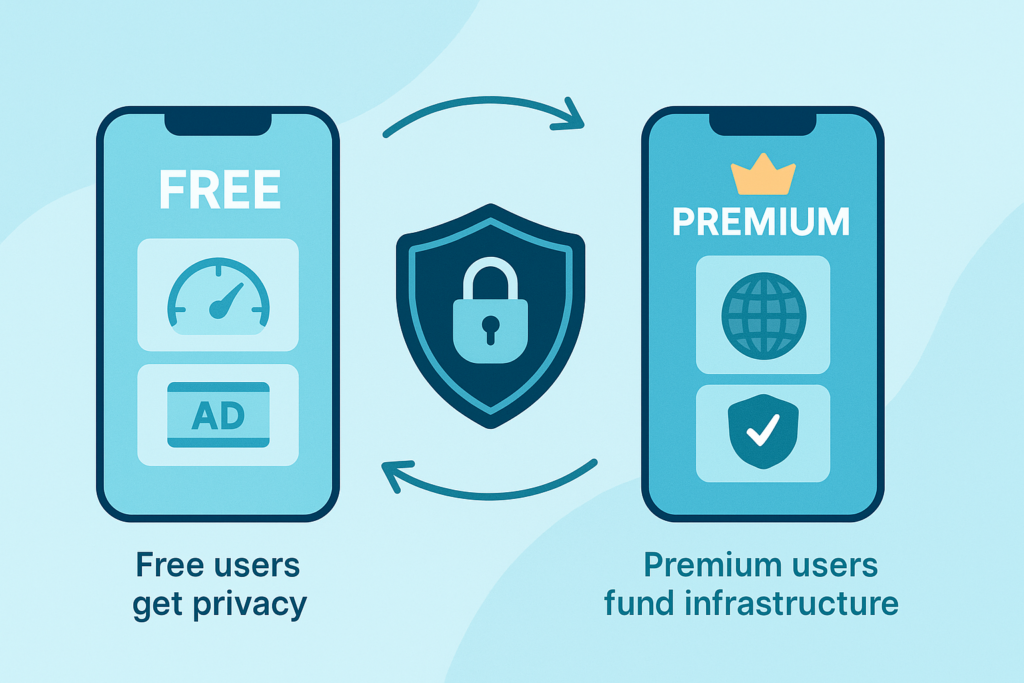
Why Freemium Encourages Good Behavior
Freemium only works if:
- Users feel safe trying the free version
- They like the experience enough to pay for more
- They believe the company respects their privacy
If a VPN is caught selling user data or lying about its practices, users don’t just uninstall—they warn others, leave reviews, and damage the brand.
From a long-term business standpoint, respecting privacy is the rational choice.
Freemium turns user trust into the most valuable asset a VPN company has.
Case Study: A Risky Business Model — Hola VPN’s Bandwidth Sharing
Not every free VPN follows the transparent monetization practices described above. One frequently cited example is Hola VPN, which historically used a peer-to-peer bandwidth-sharing system.
Case Study: Hola VPN’s Peer-to-Peer Bandwidth Model
As documented in Hola’s own Terms of Service, and reports from reputable sources such as TheBestVPN, describe how the service historically used a peer-to-peer network in which user devices could act as exit nodes for other users’ traffic.
1. Hola’s business model turns free users’ computers into exit nodes
2. They sell access through their commercial service called Luminati
3. Paying customers route traffic through your IP address
4. Free users’ devices have been used in botnet attacks
This model raises clear safety concerns. If unknown traffic passes through your IP address, any malicious activity may appear to originate from you. Your device effectively becomes part of a shared traffic network without your direct awareness or control.
Reputable VPN providers avoid this approach. A trustworthy VPN routes all traffic through its own server infrastructure, does not repurpose user devices or IP addresses, and relies on transparent business models such as ad-supported free tiers and optional paid upgrades rather than bandwidth resale.
X-VPN as an Example: How a “Good-Faith” Free VPN Makes Money
Let’s make this concrete by looking at X-VPN’s own model as an example of a modern, good-faith free VPN business.
1. How X-VPN Free Version Makes Money (In One Sentence)
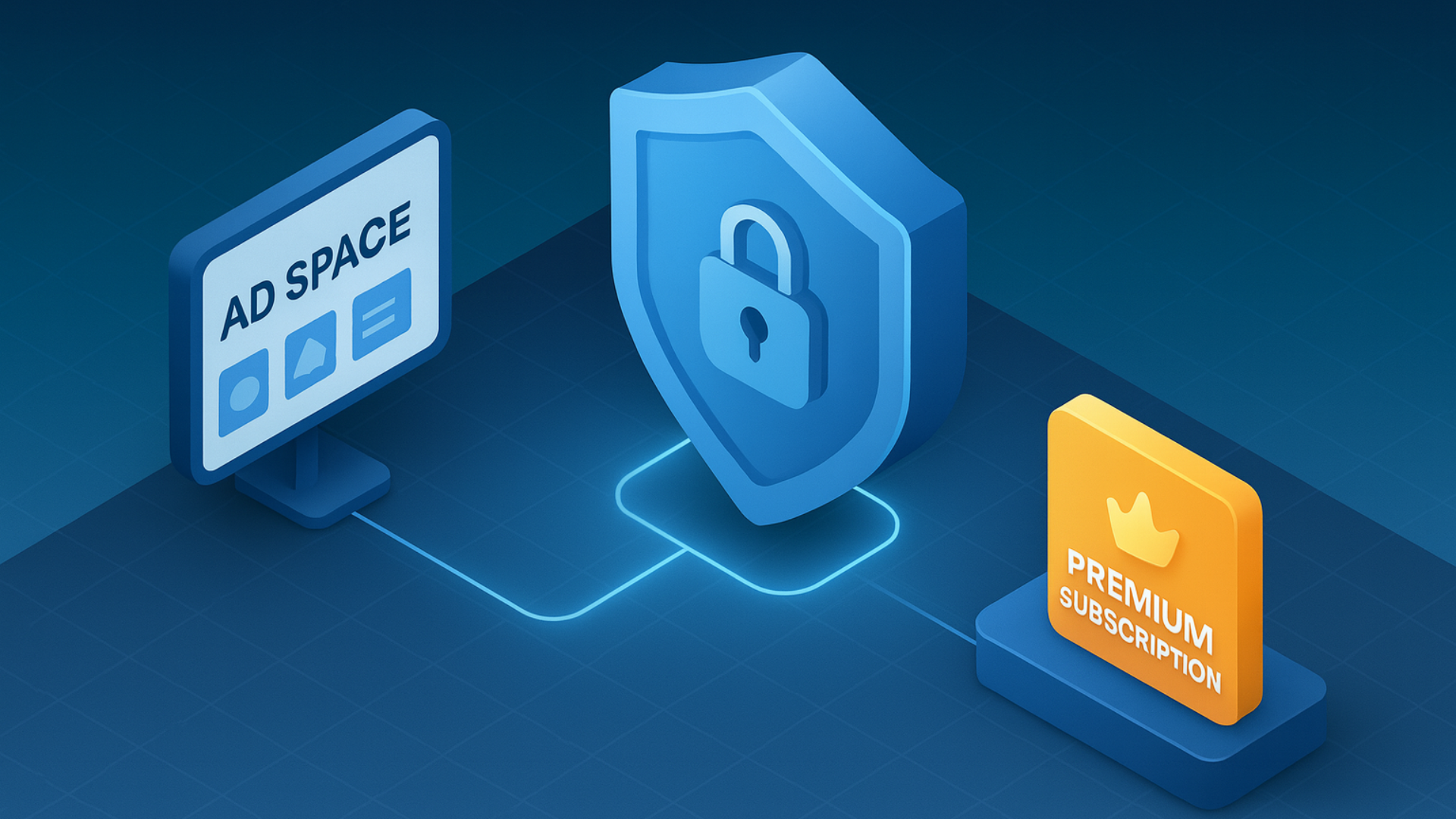
X-VPN Free version makes money by selling ad space in the free app and by offering premium subscriptions — not by selling user data.
That’s it.
No need for data brokering, no need to sell traffic logs, no need to turn users into exit nodes.
2. Privacy and Security First, Then Monetization
X-VPN’s business model is built on top of a privacy and security foundation that includes:
- AES-256 encryption
- Modern protocols: WireGuard, OpenVPN, and X-VPN’s Everest protocol
- Kill Switch, private DNS, leak protection, Wi-Fi security, split tunneling, and other advanced features
- A strict No-Logs Policy, verified by one of the Big Four accounting firms in 2026 — no browsing history, no original IP logs, no DNS logs, and no connection activity stored.
- RAM-only servers (on premium) where data only lives in memory and is wiped on reboot
- Transparency commitments, including privacy reporting and clear public statements about data practices

X-VPN is headquartered in Singapore, a major cloud and cybersecurity hub, and sits outside the 5/9/14 Eyes intelligence alliances. That legal and infrastructure environment helps support a strong privacy stance. With a verified No-Logs Policy, X-VPN is truly a privacy-by-default VPN app you can trust
All of this means X-VPN doesn’t need to monetize data—and is structurally set up not to.
3. The Free Version: Ads Pay for Bandwidth, Not for Identities
On the free tier, X-VPN uses a straightforward model:
- We offer limited ad space inside the app.
- Advertisers pay to show their banners or messages.
- We use that revenue to help cover free users’ bandwidth and server costs.
Throughout this process:
- X-VPN does not collect or provide advertisers with your browsing history.
- X-VPN does not collect or share your VPN traffic, VPN DNS queries, or activity inside the VPN tunnel.
- Advertisers do not receive a profile of “who you are” based on your VPN usage.
In other words:
“On a secure, encrypted highway, we simply put up an ad billboard —
we don’t sell your license plate to anyone.”
4. The Premium Version: You Pay for Experience, Not for Privacy
When users upgrade to X-VPN Premium, they’re not buying “real privacy” that was missing before.
They’re paying for:
- More and faster servers
- Streaming, gaming, and P2P-optimized locations
- Higher speeds and better routing
- Additional features like Double VPN, advanced security tools, and an ad-free experience
- Dedicated support and premium-level reliability
The core privacy principles—encryption and audited no-logs—apply to both free and paid users.
Premium is about performance and features, not “unlocking privacy.”
How to Tell If a Free VPN’s Business Model Is Healthy
As a user, you don’t need to memorize protocols or read every piece of fine print.
You can often get a good sense by asking a few simple questions:
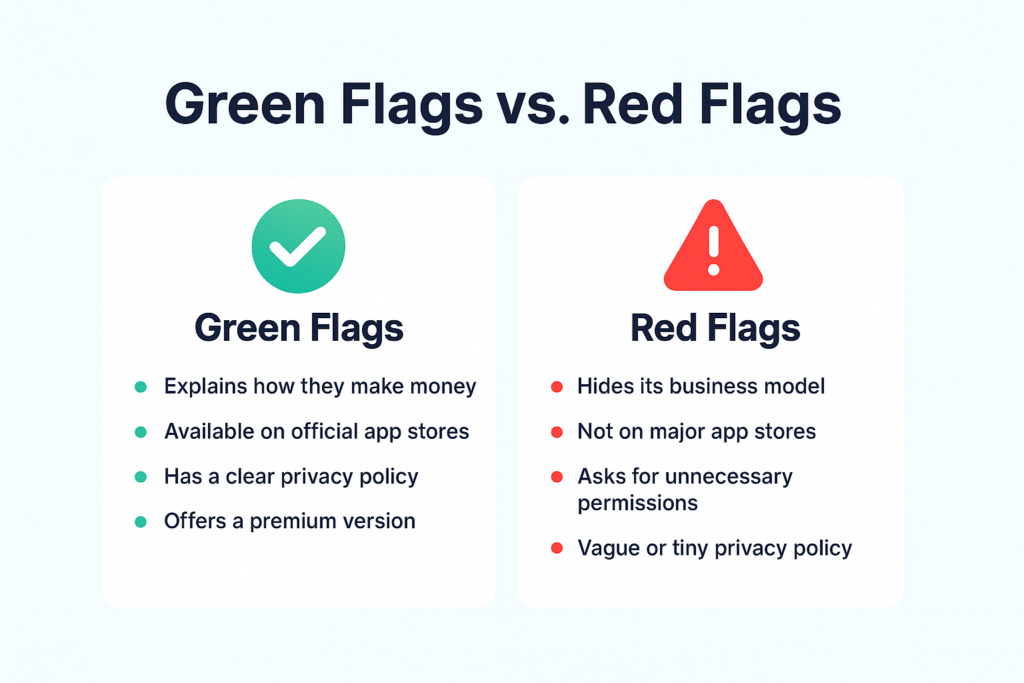
Green Flags: Signs of a Legit Free VPN
- Do they clearly explain how they make money?
- If they openly say “ads + subscriptions,” that’s a good sign.
- Are they available on official app stores (Apple App Store, Google Play)?
- Long-standing presence, regular updates, and good reviews are positive signals.
- Do they have a clear, detailed privacy policy (and ideally, transparency reports)?
- They should explicitly say what they do not log.
- Is there a premium version, and what are they selling there?
- If the emphasis is on speed, servers, and features—rather than “we’ll finally keep you safe if you pay”—that’s a healthy sign.
Red Flags: Time to Be Skeptical
- The VPN never explains its business model (“just free, don’t ask”).
- It’s only available as a sideloaded APK, not in major app stores.
- It asks for unnecessary permissions (contacts, SMS, photos, etc.).
- The privacy policy is vague, tiny, or impossible to find.
- It’s been mentioned in news reports or regulatory alerts for data issues or malware.
Conclusion: Free VPN Doesn’t Have to Mean “Shady”
So, how do free VPNs make money?
In 2026, the good answer looks like this:
- They sell ad space, not your identity.
- They rely on a small percentage of users upgrading to paid plans.
- They invest in privacy and security because trust is the core of their business model.
The “Wild West” days of anonymous, unaccountable free VPNs are fading.
Today, reputable providers know they must:
- follow app-store and privacy regulations,
- earn user trust,
- and monetize in ways that are transparent and sustainable.
As a user, you don’t have to fear the word “free.”
You just need to ask:
“Is this VPN honest about how it makes money—and do its incentives align with my privacy?”
X-VPN is built on a simple principle:
We monetize space and subscriptions—not your data.
Our free tier is there so anyone can access strong VPN protection without paying money up front. Our premium plans are there for users who want more performance and features.
If you want to experience what a modern, good-faith free VPN business looks like in practice, you can try X-VPN’s free version—and decide later whether upgrading is right for you.
Are all free VPNs unsafe?
No. Many early free VPNs did rely on aggressive tracking or unclear business models, which gave the entire category a bad reputation. Today, reputable providers can offer free tiers safely by using transparent monetization—mainly in-app ads and optional premium upgrades—without selling or logging your browsing data.
How do I know if a free VPN is selling my data?
Start with the basics:
– Do they clearly explain how they make money?
– Do they have a detailed privacy policy that states what they do not log?
– Are they available on major app stores with a good history of updates and reviews?
If a VPN is vague about its business model, has a one-line privacy policy, or only exists as a sideloaded APK, it’s safer to assume your data may be at risk.
Are ads in a VPN always a bad sign?
Not at all. Ads are only a problem when they are tied to invasive tracking. In a good-faith model, ads are simply banners shown inside the app—similar to a billboard or TV commercial. Advertisers pay for exposure, not for your browsing history or real IP address. The key is whether the VPN works with reputable ad networks and follows app-store privacy rules.
Is using a free VPN worse than not using a VPN at all?
A malicious or poorly designed free VPN can be worse than no VPN, especially if it logs your activity, sells your data, or turns your device into an exit node. However, a reputable free VPN with a clear audited no-logs policy and transparent monetization can still give you real privacy benefits—especially on public Wi-Fi—without those risks.
How does X-VPN make money if the free version doesn’t log my data?
X-VPN follows a simple model:
– The free version shows a limited number of in-app ads, where advertisers pay for the opportunity to display their brand—not for access to user data.
– A portion of users choose to upgrade to X-VPN Premium for faster speeds, more locations, streaming and gaming servers, and an ad-free experience.
Because the business is funded by ad space and subscriptions, X-VPN does not need to—and does not—sell or log your browsing activity.